
AI-Native Apps: Why Vertical SaaS with Built-in AI Is the Future
We’re at a turning point in software. AI is no longer just an exciting feature to bolt on; it’s becoming the foundation of how apps are designed, built, and used. But not all AI products are created equal. The most valuable and defensible opportunities today lie not in general-purpose tools, but in AI-native apps built for specific industries.
This article explores why AI-native vertical SaaS is poised to dominate the next decade, what makes a product truly AI-native, and how founders can take advantage of this shift.

What Is AI-Native, Really?
Many apps today advertise that they “have AI.” Usually, that means there’s a chatbot in the corner, or a prompt box slapped on an existing feature set.
But true AI-native software is fundamentally different. These are apps where AI is not an accessory; it’s the engine that drives core workflows.
AI-native means the product wouldn’t make sense without AI. It automates, predicts, and adapts. It turns the software from a passive tool into an active assistant. And it keeps learning with every interaction.
In other words, you don’t sprinkle AI on top. You start with it at the core.
The Vertical Advantage
If you want to build a powerful AI-native app, going vertical is your best bet.
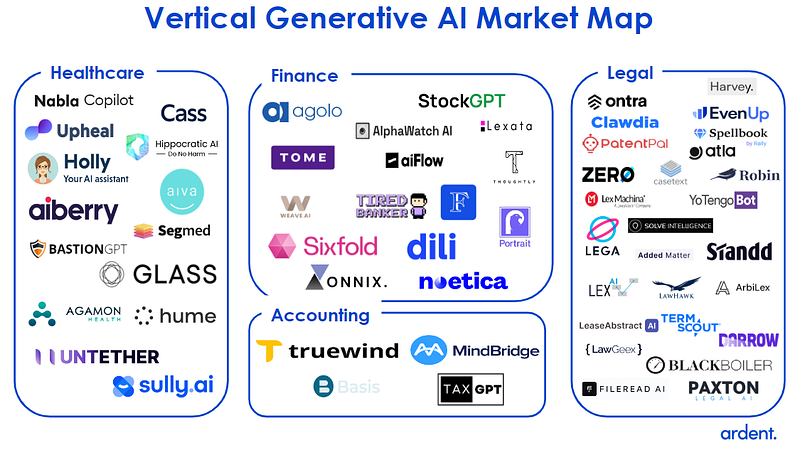
Vertical SaaS refers to software built for a specific industry or domain, legal, education, HR, real estate, mental health, and so on. These markets may be smaller individually, but they come with deep workflows, unique pain points, and a high willingness to pay for automation that actually understands their work.
AI thrives in this context. The more specific the data, the better the model performs. You don’t need to compete with ChatGPT; you just need to outperform spreadsheets and email in a niche process.
Most importantly, vertical SaaS customers don’t want generic tools. They want software that speaks their language, fits their workflow, and solves their exact bottleneck. That’s where AI-native products shine.
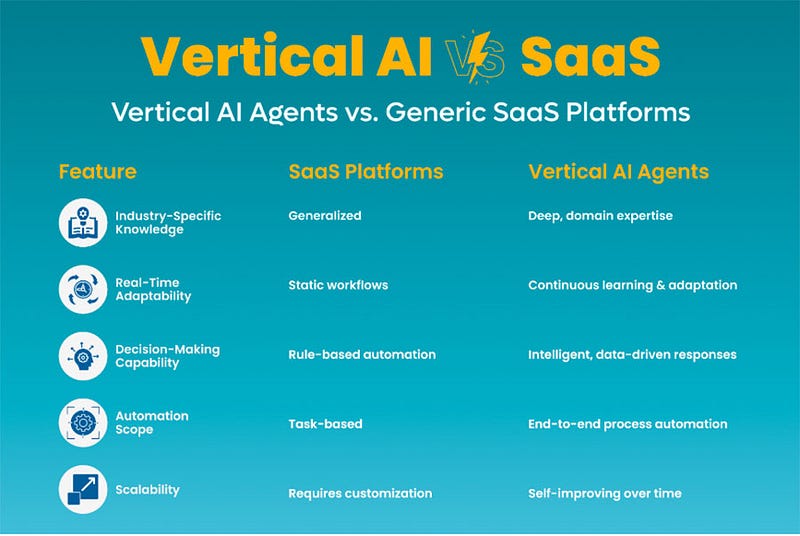
Image from https://peritushub.com/blog/vertical-ai-agents-vs-generic-saas-platforms-whats-the-difference/
Real-World Examples
We’re already seeing early winners emerge in the AI-native vertical space.
- Harvey is building an AI assistant for legal firms, designed to read, draft, and review legal contracts using domain-trained models. It’s not a general chatbot; it’s a junior associate.
- Fathom automatically summarizes Zoom calls and extracts key action items, saving teams hours of meeting fatigue. It fits seamlessly into daily workflows and becomes more useful the more it’s used.
- Tome reimagines presentation building by letting users describe the story they want to tell, and generating slide decks that match that intent, making it a storytelling co-pilot, not just a design tool.
These apps aren’t using AI as decoration. They solve real problems, save time, and fit like a glove inside existing processes.
Building an AI-Native Workflow
Great AI-native apps share a common principle:
They don’t require the user to think about the AI. They just get the job done faster.
Whether it’s generating content, recommending next steps, flagging anomalies, or taking actions on behalf of the user, the best AI-native products minimize friction. They feel intuitive and magical, but also safe and predictable.
This means moving away from clunky chat UIs and toward embedded AI. Think auto-fill, smart triggers, background automation, and predictive flows that understand intent, not just input.
Where Founders Should Focus
If you’re building in this space, the opportunity is massive, but it’s easy to get distracted. The key is to zoom in.
Start with a single painful workflow in a specific vertical. Understand the human process inside and out. Then design an AI layer that removes 80% of the friction.
Don’t try to build the “GPT for [X]”, build the Notion, the Canva, the Salesforce of that industry, but with AI at the core from day one.
This is where defensibility lives, not in the model itself, but in the workflow, UX, and feedback loop that creates continuous value for a niche audience.

Photo by Sable Flow on Unsplash
How to Start Small
You don’t need a billion-parameter model or millions of users to get started.
All you need is a focused use case and a few real users who feel deep relief when they try your product. Build a micro-app that solves one painful process. Let AI do the heavy lifting. Then grow from there, feature by feature, based on real usage and feedback.
This is the playbook that works, not just in AI, but in software, always.

Final Thoughts
The hype cycle may rise and fall, but the underlying shift is clear:
We are entering an era where software that understands your work and acts on your behalf will become the norm.
AI-native apps, especially in vertical SaaS, offer a path to build leaner, smarter, and more resilient businesses. These products deliver real ROI, unlock new types of workflows, and create delight, not just novelty.
If you’re thinking of building in this space, now is the time.
The tools are here. The use cases are everywhere.
And the next wave of iconic software companies will start with a simple question:
What if AI could just do this for me?