
What happens when building software becomes too easy?
The coding model is getting better and better, so everyone can build their own apps very easily.
So, what is the next application when everyone can build apps for personal use, or they can use AI as a personal AI assistant?
I think the short answer is: companies will still build B2C products, but the value will shift away from just building the app and toward owning the ecosystem, the brand, and the network effects.

Photo by Blake Connally on Unsplash
1. Execution > Idea > Code
Even if everyone can technically build an app, most people:
- Won’t have the time, energy, or discipline to maintain it.
- Won’t bother with the boring but critical parts (security, compliance, hosting costs, performance, updates).
- Won’t know how to get other people to use it.
This is why execution, marketing, and user acquisition will matter more than the coding itself. The app is only the starting point; running a sustainable product is still a different game.
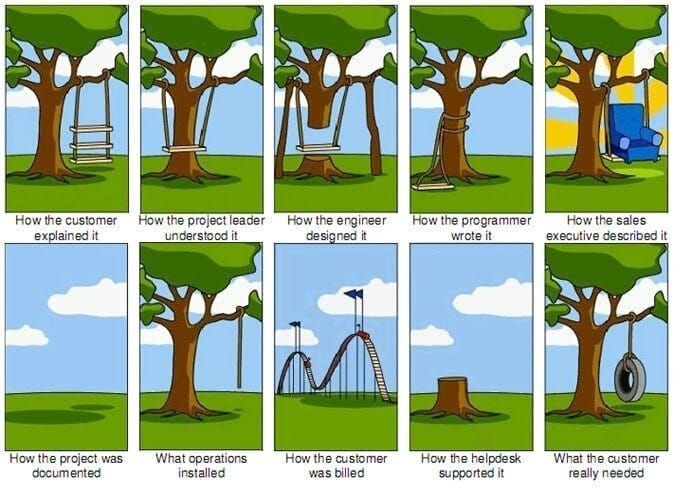
From https://medium.com/geekculture/why-do-people-think-that-building-software-is-easy-76509d666774
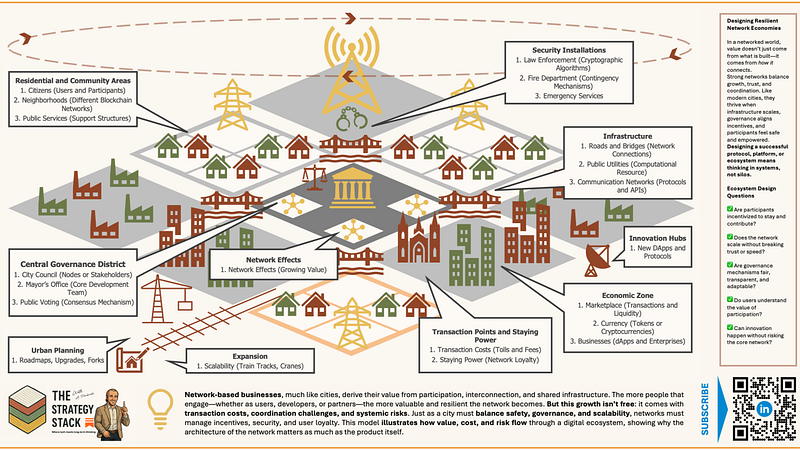
2. Network Effects and Ecosystems
A personalized AI for yourself is great, but the moment your app needs to interact with other people or businesses, you need a shared platform.
- Social media works because other people are there.
- Payments work because other merchants are connected.
- Even a simple note-taking app becomes more valuable if you can share or sync with others.
This is why companies will still try to be the hub everyone connects to, even if AI makes local apps easy to create.
3. Data Moats and Context Depth
Even if users can spin up AI assistants, those assistants will start “cold.” A company that has:
- 10 years of financial transaction data
- A rich health record history
- Millions of product reviews
…can provide way more relevant recommendations than a brand-new personal AI you just trained on your life.
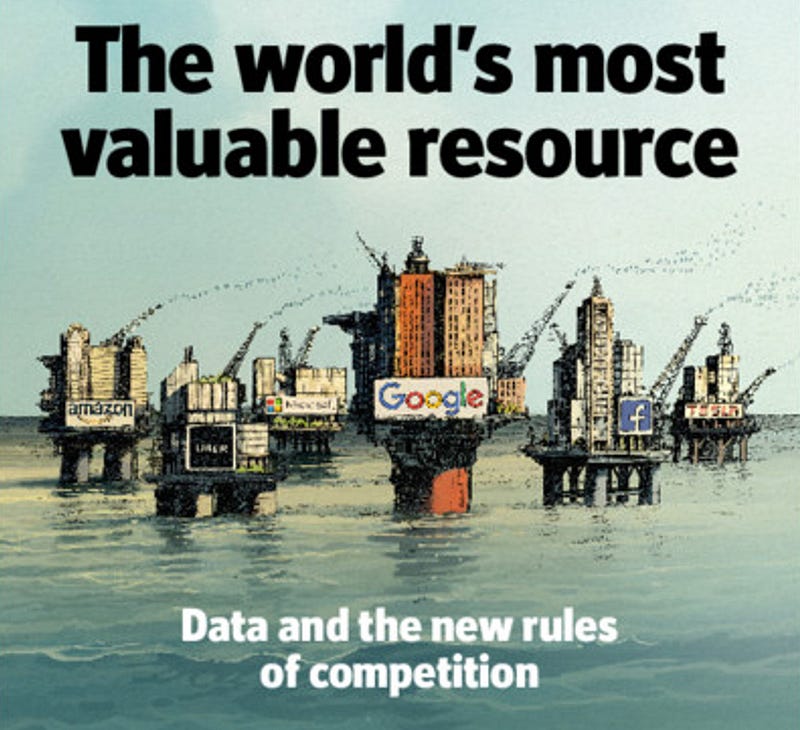
From https://www.generational.pub/p/data-moats-in-generative-ai
4. Trust, Liability, and Reliability
A lot of B2C software will still sell on peace of mind:
- Security & privacy guarantees
- Compliance with laws (e.g., GDPR, HIPAA)
- Guaranteed uptime
- Support when things go wrong
If your personal AI messes up your tax filing, there’s no one to sue but yourself. A company can offer warranties, SLAs, and customer service.

Photo by Christina @ wocintechchat.com on Unsplash
5. Brand, Emotion, and Lifestyle
People still buy Apple products instead of just making their own phone because:
- Brand trust
- Design
- Community identity
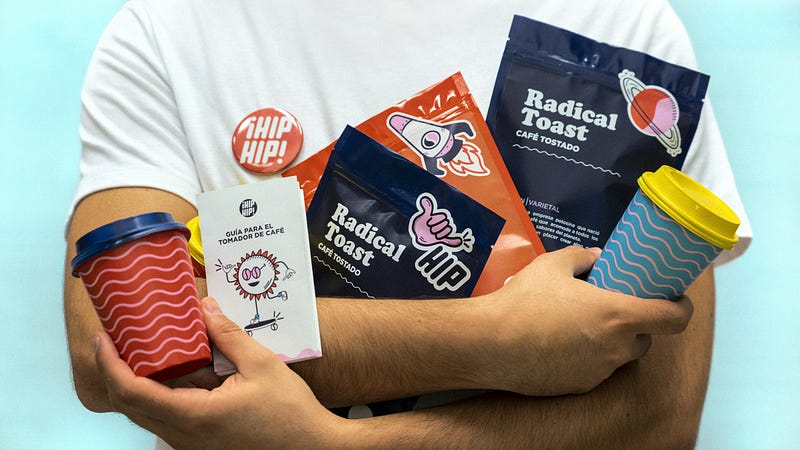
Even if AI makes building possible for all, not everyone wants to build — they want polished, delightful experiences.
6. The Shift in B2C Strategy
I think the next era of B2C software will:
- Sell pre-trained, highly specialized AI agents rather than generic apps.
- Focus on community-driven AI ecosystems (where users can share and remix each other’s tools).
- Move toward B2B2C, companies building infrastructure for individuals to have personal AI assistants that still rely on corporate backends.
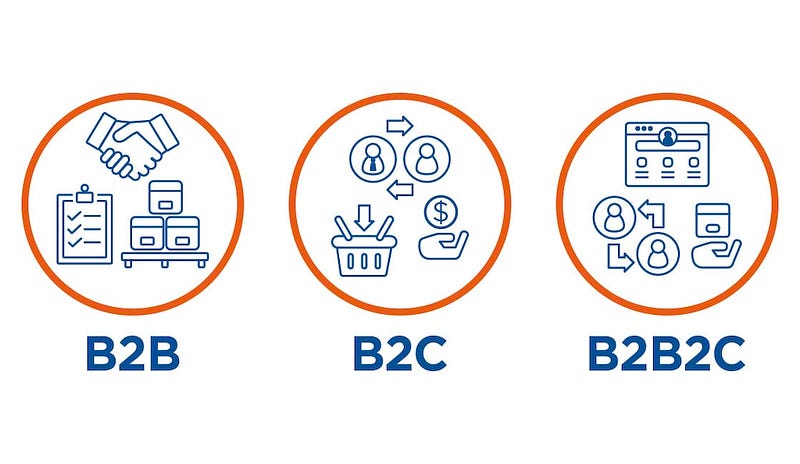
From Internet
My view
AI will make “building” trivial, but distribution, trust, network effects, and data will remain hard. The winners will be the ones who don’t just ship an app, but become the place where your personal AI connects to the world.